Taking Care of the Body You Live In
Health literacy for teens includes food, movement, sleep, stress, medical communication, first aid, and managing your own health responsibly.
At some point a young person has to become the person who notices something is wrong, describes the symptoms, asks useful questions, and follows through. They also have to live in their body every day between medical appointments.
That means understanding food, movement, sleep, recovery, stress, injury, and the risks attached to substances and sexual decisions. It means knowing when to ask for help and being able to describe what is happening without shame or performance.
Health education shouldn't be a competition over appearance or a collection of scary slogans. Its purpose is increasing responsibility for the body a person will depend on for the rest of their life. Physical capability matters, but so do judgment, informed decisions, and the willingness to seek care.
When you have to manage your own health
By 18, the floor is supposed to be built. Real life will ask whether they can feed themselves when nobody else is planning dinner, sleep enough when the schedule changes, keep moving when no coach is watching, and walk all day in a new city without falling apart.
It will ask whether they can tell when pain, illness, anxiety, or injury needs help; explain symptoms clearly to a doctor; follow a plan afterward; handle alcohol, caffeine, drugs, medications, sex, reproduction, and consent without ignorance doing the thinking; and act in an emergency before panic takes over.
That's the actual class. Not a worksheet on food groups. Not one semester of health. Not a mile time everyone forgets. The actual class is whether they can live in their own body responsibly.
School health splits the body into pieces
School usually chops this domain into pieces that do not quite add up. P.E. handles movement, often in ways that reward athletic kids and humiliate some of the kids who need the most help. Health class handles nutrition, reproduction, drugs, hygiene, and mental health in a tone that often sounds like warning labels or awkward compliance training.
Biology explains systems. Sports reward performance. Counselors talk about stress. Parents nag about sleep. Doctors step in when something is wrong. All of those pieces can matter.
But a young adult doesn't experience their body as separate school departments. Bad sleep changes mood. No movement changes stress. Stress changes appetite and judgment. Avoiding the doctor changes outcomes.
The body is one system. This domain has to treat it that way.
What you should be able to manage
The floor is not elite athletics. It is not a six-pack. It is not a diet ideology. It is not perfect mental health. It is not medical self-diagnosis.
The floor is enough ownership that a young adult is not being dragged through life by neglect, appetite, embarrassment, or passivity.
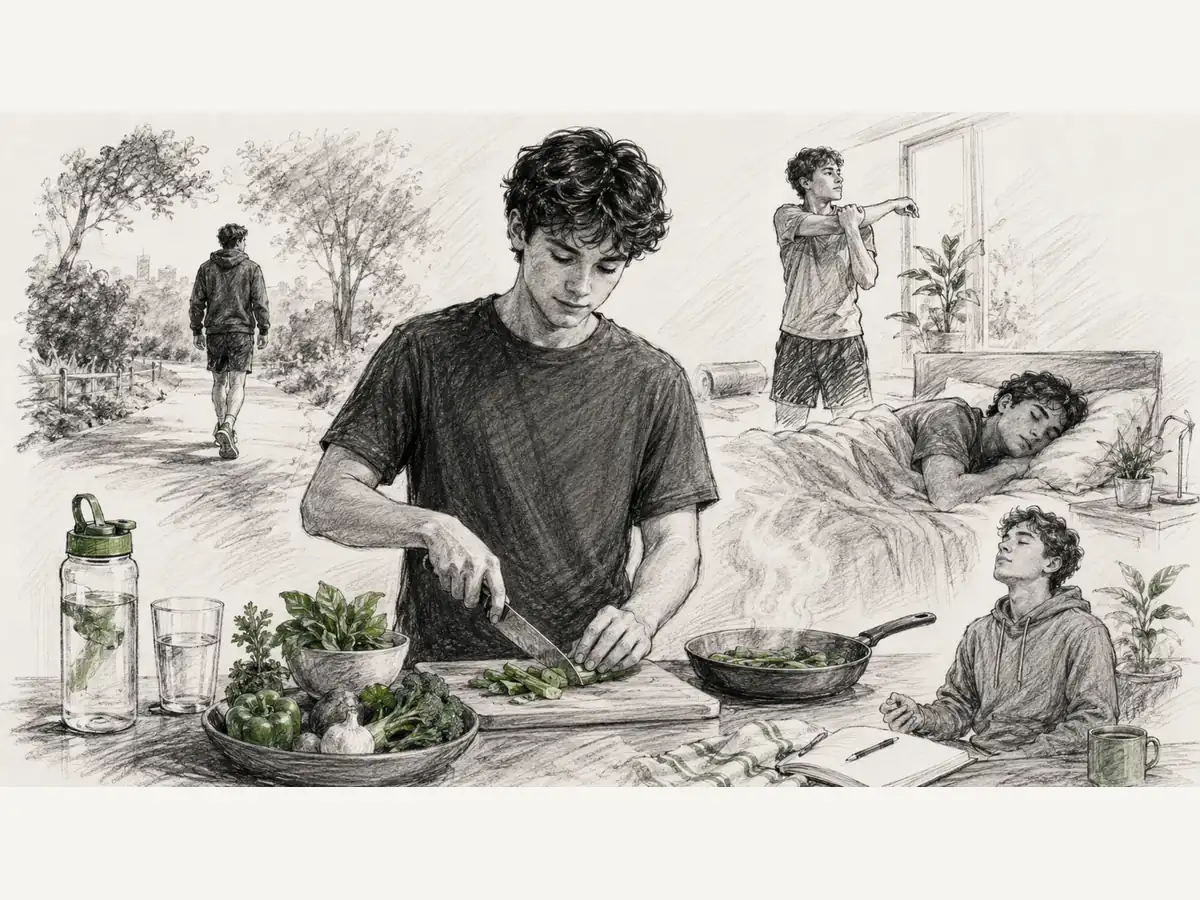
By 18, they should take responsibility for sleep, hygiene, nutrition, and movement without needing to be nagged like a child. They should be able to feed themselves reasonably well: cook real meals, understand what food does, and make decent choices without turning food into either obsession or denial.
They should maintain serious physical capability. The LifeEducation floor names a top-10% age-group fitness target. For a healthy kid without a disability, injury, or medical barrier, it is a habits bar, not a genetics bar. Injuries, disabilities, and medical realities change the measurement protocol. They do not erase the need to build as much trained capacity as the body can honestly support.
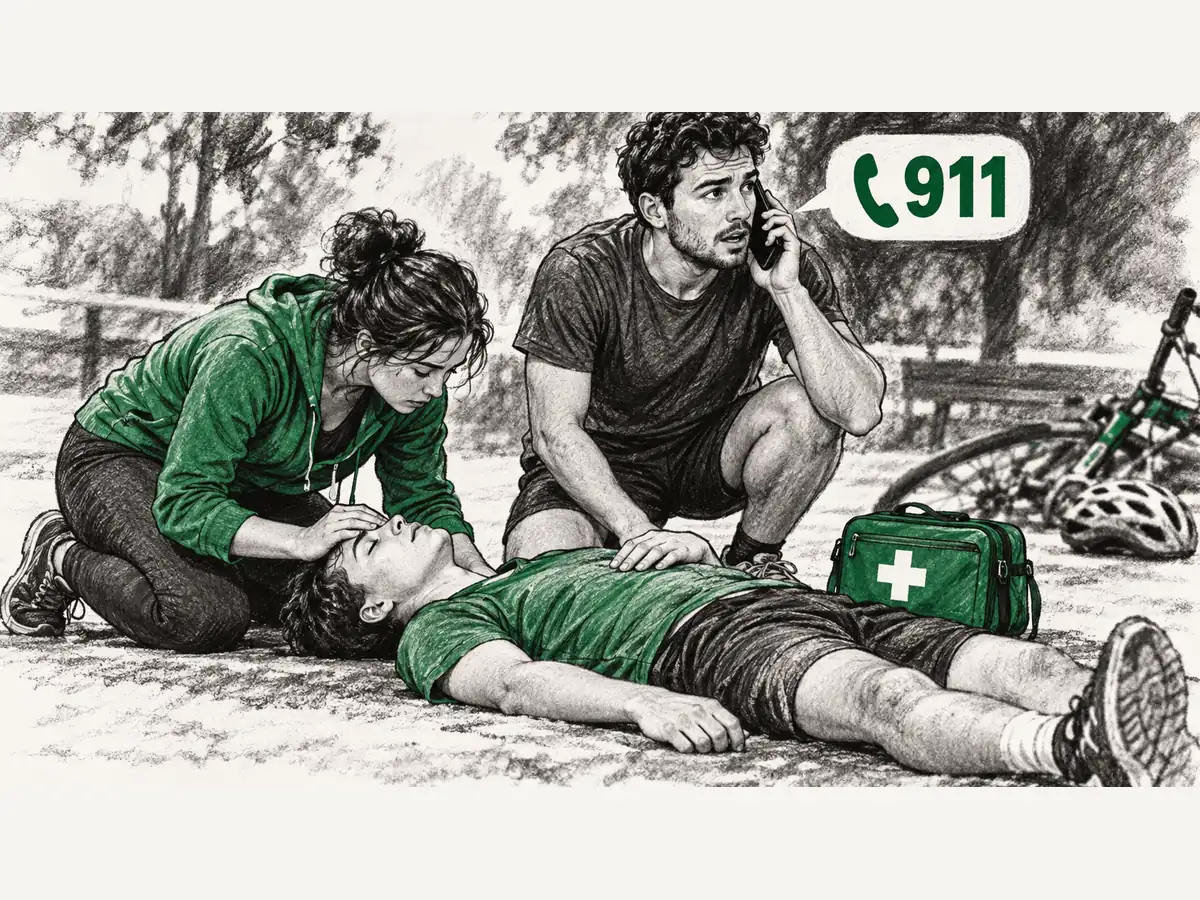
They should recognize when something is wrong and decide what the situation calls for: rest, basic treatment, better habits, outside help, urgent care, or a real appointment. They should know basic first aid and emergency response well enough to stop bleeding, stabilize a situation, call for help, and not freeze while everyone waits for an adult to appear.
They should understand substances, medications, sex, reproduction, and consent accurately. No mystery. They should have stress tools that actually work for them. They should understand their own mental health patterns well enough to notice when something is changing and ask for support before the problem becomes their whole life.
That's the floor. Not perfection. Ownership.
Fitness is not decoration
Fitness is often treated as either vanity or sport. That's too narrow.
Physical capability is freedom of movement. It's walking across a city without needing the day redesigned around weakness. It's hiking with your family. It's carrying luggage through a train station. It's swimming well enough that water is not automatically danger. It's being able to run when running matters.
It's having enough strength, endurance, mobility, balance, and coordination that the world feels more available. A body with no reserve makes life smaller. Not morally smaller. Practically smaller.
That's why the top-10% target belongs here. In today's world, a healthy kid who walks, plays, carries things, climbs, swims, practices hard things, and is not trained into constant stillness can end up near the top almost by accident.
That doesn't mean every body uses the same measurement. Injuries, disabilities, and medical realities change the test. The standard must be measured honestly against the body in front of us, not used as a shame stick or an excuse for neglect.
The question is not: do they look fit? The question is: does their body give them options?
A young adult who has practiced movement knows something lectures cannot teach. They know consistency. They know discomfort. They know recovery. They know what it feels like to improve slowly. They know the difference between pain that means growth and pain that means stop.
That belongs in education.
Food is a life skill, not an identity
Food is where this domain gets weird fast. People turn eating into morality, personality, rebellion, comfort, control, culture war, self-image, and family conflict.
A young adult doesn't need that mess. They need competence.
Can they cook several real meals? Can they shop without wasting half the food? Can they feed themselves when they are tired, busy, broke, traveling, stressed, or away from home?
Can they understand protein, fiber, sugar, hydration, portions, and energy without turning every meal into a math problem? Can they enjoy food without being ruled by it?
That's the target.
Not clean eating as religion. Not junk food as personality. Not pretending nutrition doesn't matter because talking about it is uncomfortable.
Food is fuel, pleasure, culture, money, planning, and health all at once. A young adult should be able to handle that without needing someone else to run the whole system.
Stress is physical too
Stress is not just a mood. It hits sleep, digestion, appetite, immune function, focus, patience, and decision-making. A kid who can't regulate stress will look irresponsible in places where the real problem is that their body is flooded and they have no tools.
That doesn't excuse everything. It explains why the tools matter.
By 18, a young adult should know what helps them reset. Walking. Breathing. Lifting. Journaling. Talking. Music. Prayer. Stretching. Time outside. Sleep. Less screen noise. Better food. A shower. A real conversation. Professional support when the pattern is bigger than self-management.
The tool doesn't have to be trendy. It has to work.
This domain should not teach kids to pathologize every hard feeling. It should also not teach them to tough-guy their way through everything until the bill comes due.
The standard is more adult than either extreme: notice the pattern. Name it honestly. Use a tool. Ask for help when the tool is not enough.
Substances, sex, and consent cannot be foggy
Some adults want this part of health to stay vague because vague feels safer. It's not safer.
A young adult who doesn't understand alcohol, drugs, caffeine, medications, sexual health, reproduction, and consent is not protected. They're just ignorant in areas where ignorance gets expensive fast.
This doesn't mean panic lessons. It means accurate information, plain language, and enough judgment to make decisions when nobody is standing there to supervise.
What does this substance do? What changes when you mix it with something else? What does addiction risk look like in real life? What does consent require? What does contraception do and not do? What symptoms should never be ignored? What do you do if something goes wrong? Who do you call? What are you allowed to say no to? What are you responsible for if someone else says no?
No shame fog. No macho fog. No purity fog. Reality.
What health capability is not
This is not about building little athletes. It is not about body shame, food weirdness, or replacing doctors with internet confidence. It is not about telling kids that every problem can be solved with discipline.
It is also not about pretending discipline does not matter because bodies are complicated. And it is not about forcing every kid into the same sport, same diet, same body type, same routine, or same version of health.
Your body is yours. That means you have dignity. It also means you have work.
Practice responsible self-care
Families don't need to turn the house into a wellness program. They need to stop treating the body as either a nagging topic or an emergency-only topic.
Cook with the kid. Not as a special lesson once a year. As life. Let them burn things, season badly, misjudge portions, plan a meal, shop for it, cook it, clean up, and try again.
Move together. Walk, hike, swim, play games, lift, stretch, learn a sport badly, learn a martial art, practice balance, do things that make the body useful and alive.
Protect sleep like it matters, because it does.
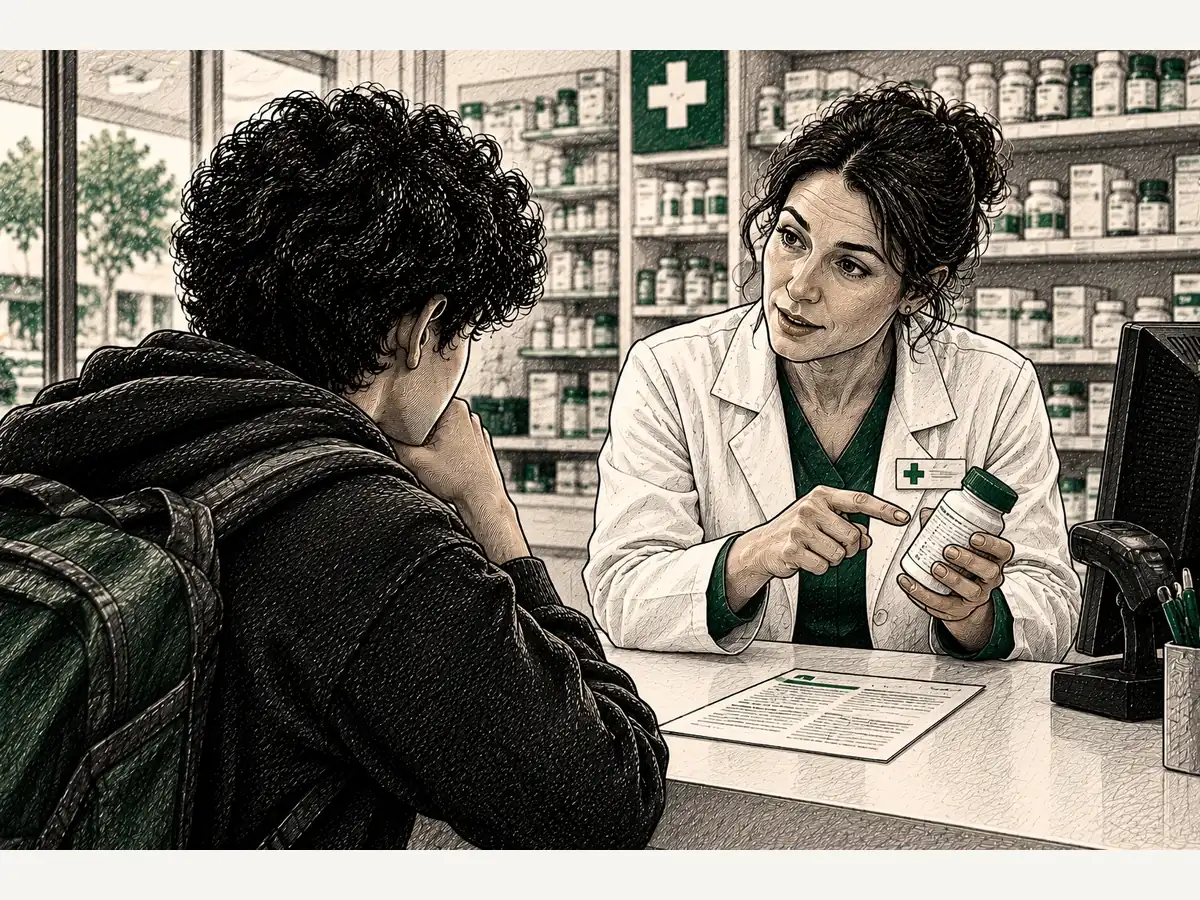
When they are old enough, make them part of medical appointments. Have them explain symptoms. Have them ask the question. Have them learn the medication, the dosage, the side effects, the follow-up plan.
Teach first aid before it is needed. CPR, bleeding, choking, burns, sprains, heat, cold, basic emergency judgment. The point is not to make them a paramedic. The point is to make them useful in the first five minutes.
Talk about substances and sex before the world does it for you. The world will not wait for your comfort.
Let them track something real: sleep, mile time, push-ups, meals cooked, walks taken, mood patterns, recovery after hard days. Not forever. Not obsessively. Just long enough to make cause and effect visible.
And don't make every conversation about their body a correction. Bodies are not projects adults do to children.
The goal is transfer: from parent-managed health to self-managed health. Slowly. Repeatedly. For real.
Can you take care of yourself?
The real test of Domain 7 isn't whether a young adult passed health class.
Can they feed themselves without being helpless? Can they maintain fitness through ordinary life, not just when a coach is watching? Can they sleep, move, recover, and regulate stress well enough that their body is not constantly sabotaging their judgment?
Can they tell the difference between discomfort, injury, illness, and emergency? Can they ask a doctor a clear question and understand the answer well enough to act? Can they handle basic first aid without freezing?
Can they make informed choices about substances, sex, reproduction, and consent? Can they notice when their mental health is slipping and ask for support without turning that into shame or theater? Can they live in their body as an owner, not a passenger?
That's the point of Domain 7. Not gym class. Not wellness performance. Not body shame. Health and physical development as adult capability.
What health responsibility was hardest to learn without someone managing it for you? Send your experience or objection. The examples that challenge this argument are often the most useful.